

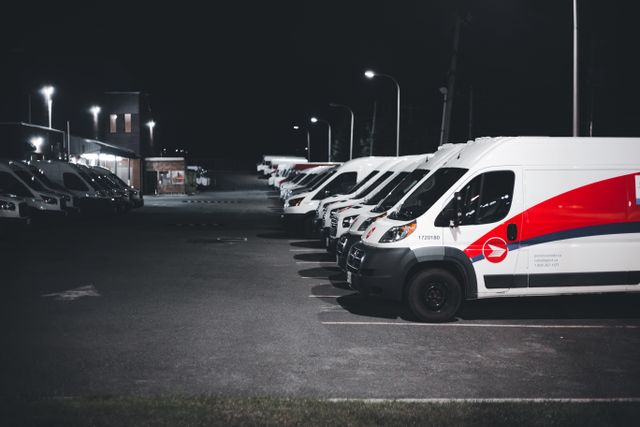
For businesses that rely on vehicles, the fleet can quickly become one of the most difficult parts of the operation to manage. It’s not just a matter of knowing where cars, vans, trucks, or machinery are parked. There are drivers, maintenance schedules, fuel costs, safety expectations, compliance obligations, customer timeframes, insurance concerns, and the constant pressure to keep everything moving without unnecessary delays.
That’s why companies are increasingly looking at providers such as Speedshield Technologies when they want clearer visibility over what’s happening across their fleet. The right technology can help turn vehicle management from a reactive process into something far more informed, where decisions are based on real data rather than guesswork, phone calls, and assumptions.
Visibility changes the whole conversation
When managers don’t have reliable information, small issues can become expensive very quickly. A vehicle may be taking inefficient routes, sitting idle longer than expected, being driven harshly, or missing scheduled maintenance because no one has a clear system for tracking it. None of these problems has to look dramatic at first, but over time they can affect costs, safety, productivity, and customer service.
Fleet technology gives businesses a clearer picture of what is happening day to day. Depending on the system, that might include location tracking, driver behaviour, vehicle usage, service alerts, utilisation patterns, reporting, and operational insights. With that information available, managers can spot trends earlier and make decisions before the problem becomes harder to fix.
Safety is more than a policy document
Most businesses want safe drivers and well-maintained vehicles, but wanting it isn’t the same as managing it consistently. Driver fatigue, speeding, harsh braking, excessive idling, poor route planning, and missed maintenance can all increase risk, especially when vehicles are on the road every day.
Technology can help make safety more practical. Instead of relying only on incident reports after something has gone wrong, businesses can use data to identify risky patterns, coach drivers, schedule maintenance on time, and build a stronger safety culture. This isn’t about watching people for the sake of it; it’s about creating safer habits and reducing the chance of preventable issues.
Costs are easier to control when they’re visible
Fleet costs have a way of spreading across the business. Fuel, repairs, downtime, insurance, tyres, administration, replacement vehicles, and inefficient scheduling can all chip away at margins. Without good reporting, it can be hard to know where the money is really going.
Once a business can see how vehicles are being used, it becomes easier to find practical improvements. Better routes may reduce fuel use, maintenance alerts may prevent larger repair bills, and clearer utilisation data may show whether the fleet is too small, too large, or not being deployed efficiently. Even modest gains can add up when they apply across multiple vehicles every week.
Better data supports better service
Fleet management isn’t only an internal issue. It can also affect customers. If a technician, delivery driver, or service vehicle is delayed, the business needs to know what is happening and communicate clearly. Real-time visibility can help teams respond faster, adjust schedules, and give customers more accurate updates.
That kind of responsiveness can make the whole business feel more professional. Customers may not care what software is being used behind the scenes, but they do notice when arrivals are reliable, communication is clear, and delays are managed properly.
Technology makes the fleet easier to run
A fleet will always involve moving parts, both literally and administratively, but it doesn’t have to feel like a constant guessing game. With the right systems in place, businesses can manage vehicles more safely, control costs more effectively, and make decisions with a clearer understanding of what’s actually happening on the road.