

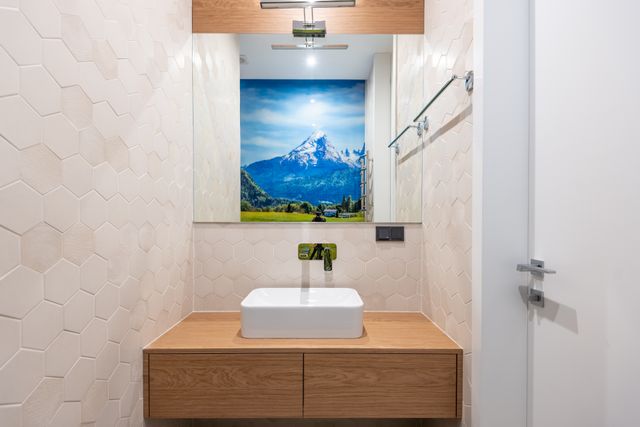
A glass splashback in the bathroom is not merely an option related to aesthetics. These are the criteria for the proper performance of an installation for many years to come or its failure after just a few months. Rarely can any space be more aggressive to the material than a bathroom; frequent temperature changes due to taking a hot shower and the ambient temperature of the room, cleaning products ranging from gentle detergents to harsh grout remover, long-lasting moisture on all surfaces. The grout joint needs regular maintenance despite being properly sealed during the initial installation and is a source of mould formation in poorly ventilated bathrooms. A glass bathroom splashback eliminates the grout line completely; this is one of the not-so-mentioned yet very practical reasons why the type of splashback remains relevant in Australian bathroom renovation projects. As stated by the ABS, the number of approvals for building alterations and additions increased till the end of 2025.
Glass Type and the NCC: Not Purely a Style Decision
The first question in any bathroom glass installation is not colour or texture; it is glass type, and that question is partly answered by the National Construction Code. For shower screens and framed panels in wet areas with sight lines below two metres, the NCC requires Grade A safety glazing or toughened glass of at least 6mm thickness. Toughened glass is heat-treated to increase surface compression, and when it does break, it fragments into small, blunt pieces rather than sharp shards. For splashbacks specifically, the NCC provides conditions under which monolithic annealed glass is permitted, provided the panel is fully adhered to a solid backing structure of sufficient height and depth. Understanding which provision applies to a given installation is a compliance matter before it is a style one.
What You Approve in the Showroom May Not Match What Gets Installed?
A colour that is approved in the showroom will look entirely different in your actual bathroom under the actual lighting conditions of that particular bathroom. Bathrooms that are exposed to bright natural lighting on the northern side will look entirely different from bathrooms lit by artificial lights. The colour chosen will appear brighter on one wall compared to another. High-gloss and dark-coloured glass splashbacks will magnify water marks, fingerprint stains and other residues. Dramatic photographs mean that you are dealing with surfaces that need constant maintenance to retain their beauty.
Where the Expensive Mistakes Happen?
It should be noted that glass panels are cut into desired sizes at the factory. Therefore, no trimming is done after installation. Walls in most bathrooms are not square, especially in the case of Victorian houses because of the settling that has happened over the years. Templates are taken directly from walls if you want a professional installer to get the right panels. Positions such as power points, tap penetrations, accessory fixings, and light switches are pre-set during production. A mistake in taking templates will result in a delay as a new panel will have to be manufactured and delivered. It means that your entire bathroom renovation will be halted.
What the Brochure Leaves Out About Installation?
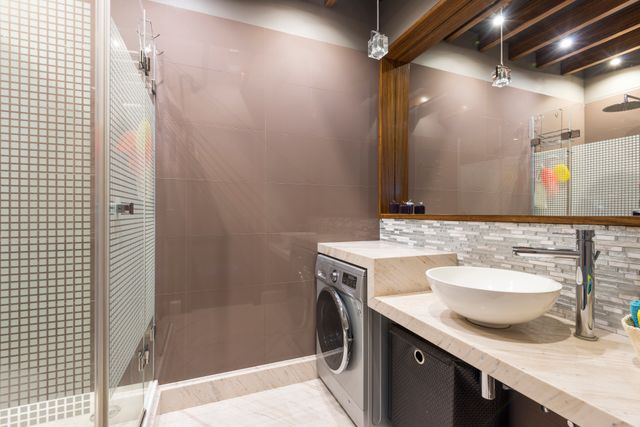
Glass splashbacks are bonded to the walls using a silicone adhesive. The surface of the wall must be level, structurally sound and even for it to bond. Installation on an uneven surface will lead to optical distortions that can easily be seen in high-gloss glass because of the light movement over the glass surface. Standard silicone degrades when exposed to water constantly. Wet area-rated silicone is a completely different product line, and it is important to consider it when installing shower enclosures. A curing period after installation is crucial.