
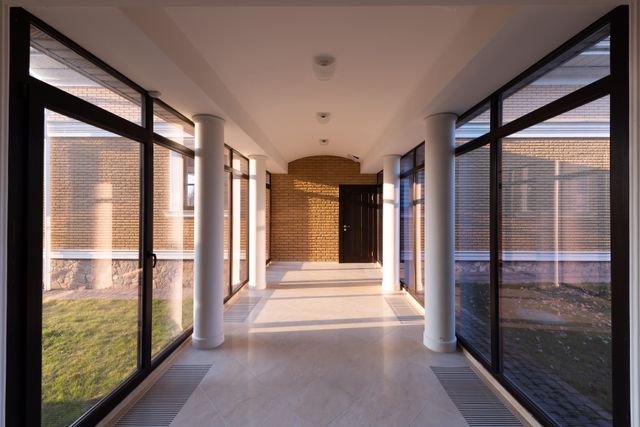
Walk into an open plan Melbourne office on a scorching summer afternoon and the same scene is played out time after time: computer screens tilted at all sorts of daft angles to get out of the sun’s way, desks shifted away from the windows that were meant to be a major selling point, blinds stuck in a permanent closed position on a floor that was rented partly because of its views. The bloke who designed it just wanted loads of natural light. He never stopped to think about what a big ol’ west-facing wall of glass does to a room between 1 pm and 5 pm in February when the aircon is flat out trying to stay on top of it.
Glare Problem Is a Whole Lot More Serious Than a Simple Comfort Issue
A worker complaining about screen glare sounds like a tiny little problem. But what really happens to concentration when glare is persisting is actually much more serious. East and west-facing windows without any treatment let in so much light it’s actually hard to see your screen for big chunks of the day, leading to eye strain and headache complaints at far higher rates than in offices with glazing that’s been treated to stop that sort of thing. Just moving your workstation away from the window doesn’t really sort out the problem; the heat still radiates all over the floor plate and the aircon still has to fight it. Now the worker is just as far away from the problem but still sweltering.
Buildings in Victoria are covered by the National Construction Code’s energy efficiency standards, and applying commercial window film Melbourne to your glazing is one of the easiest ways to meet those standards without having to mess about with the building’s structure. For anyone renewing a lease or redesigning a new space, that’s a pretty smart decision that’ll bring you a tangible return on investment.
Film Types Appropriate for Commercial Installations
Neutral ceramic films are the correct choice for prestige commercial structures when it is a matter of preserving the appearance of the facade under lease or heritage obligations. They deliver superior solar heat rejection but do not add any reflectance or tinting to the facade appearance. Dual-reflective films offer daytime privacy to the street level but allow clear views from inside the room; hence are suited for ground-floor tenancies and consulting rooms where client confidentiality is an important operational factor.
Anti-graffiti film provides protection for the ground floor windows in busy areas and makes sense as a choice for hospitality and retail facilities in Melbourne’s inner suburbs. Safety and security film bonds the glass layers together in case of impact and delays the process of forced entry. For premises with security provisions after hours, such delay has a monetary value associated with it.
What Should Be Checked in a Commercial Quote?
- Check the installer’s accreditation by the industry organisation and not just take their word for it.
- Get references to comparable projects in commercial settings and not examples of residential installations passed off as similar.
- Obtain a thermal performance report or SHGC modelling to get numbers behind the claims of energy efficiency improvements and not estimates.
Return on investment from properly installed commercial window film in Melbourne flows in two ways. Savings on reduced peak cooling loads become evident on the first summer electricity bill. Savings on costs of replacing carpets, soft furnishings and branded fitout materials due to UV fading are accounted for over two or three years. In some cases, installation qualifies for financial assistance under the Victorian Energy Upgrades program, and a professional commercial installer should mention it of their own volition during the quote stage.
Two quotes for identical size windows in an office building for two different prices have one thing in common; film specification, terms of warranty, or quality of the installation are different. There are three numbers that need to be compared before making a decision: SHGC rating, VLT percentage, and warranty terms.
The offices that understood it kept their blinds open in February. Those that did not kept moving the furniture.