

Your car is more than just a mode of transportation; it’s an extension of your personality. Whether it’s the sleek lines or the vibrant color, your vehicle deserves to look its best for as long as possible. That’s where car paint protection comes into play. Imagine preserving that showroom shine while shielding your ride from everyday perils like dirt, scratches, and harmful UV rays. With the right protection, you can keep your car looking new—like it just rolled off the assembly line.
But what exactly is car paint protection? And why should you consider investing in it? Let’s dive into this essential aspect of vehicle care to help you understand how to maintain that head-turning appearance and prolong the life of your investment.
The benefits of car paint protection
Car paint protection offers numerous advantages that go beyond mere aesthetics. One of the most significant benefits is shielding your vehicle from harmful UV rays. These rays can fade and damage the car’s finish over time, leading to costly repaints.
Another advantage is resistance against scratches and chips. Everyday driving exposes your car to debris, road salt, and other elements that can mar its surface. A protective layer acts as a barrier, preserving the original look for longer.
Moreover, maintaining cleanliness becomes easier with paint protection. Dirt and grime are less likely to adhere to treated surfaces, allowing for simpler wash routines.
Additionally, enhanced resale value cannot be overlooked. A well-maintained exterior attracts potential buyers who appreciate a car in pristine condition.
Many products offer hydrophobic properties that repel water. This keeps your vehicle looking shiny while minimizing water spots after rain or washing.
Different types of car paint protection
When it comes to car paint protection, several options cater to varying needs and preferences.
Ceramic coatings are popular for their durability. They create a strong bond with the vehicle’s surface, offering resistance against UV rays and chemical stains. This option provides a long-lasting shine that many enthusiasts appreciate.
Another choice is paint sealants. These synthetic products form a protective layer over the paintwork. They typically last several months, making them ideal for those seeking an affordable yet effective solution.
Then there are traditional waxes. While they require more frequent application, they enhance your car’s appearance with a deep glow. Many find joy in waxing as part of their regular maintenance routine.
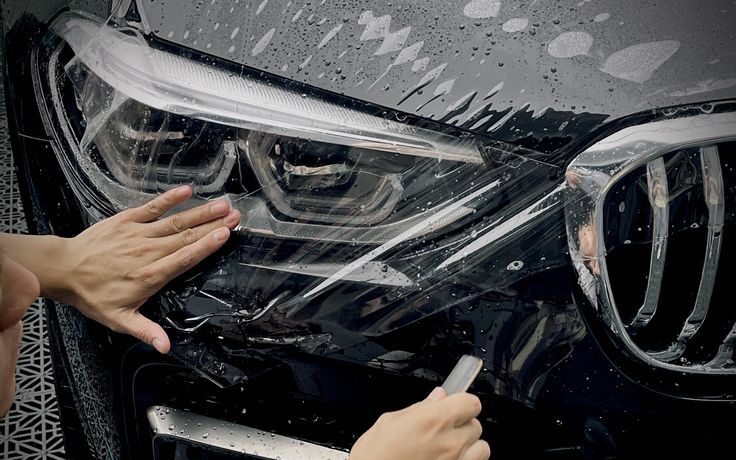
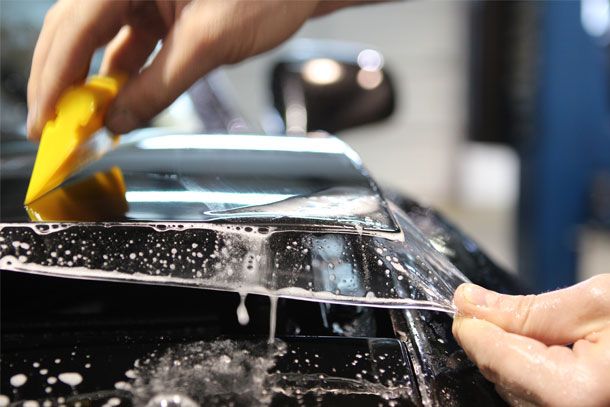
Some opt for clear bras or PPF (paint protection film). This transparent layer shields against chips and scratches while being virtually invisible on the surface. Each type offers unique advantages tailored to individual needs.
How to apply car paint protection
Applying car paint protection involves a few essential steps to ensure maximum effectiveness. Start with a thorough wash of your vehicle. Remove dirt, grime, and old wax using a pH-balanced car soap.
Once clean, dry the surface completely with microfiber towels. Inspect for any scratches or imperfections in the paint that need addressing before application.
If you’re using a spray-on sealant or coating, follow the manufacturer’s instructions carefully. Typically, you’ll work in small sections to avoid it drying prematurely.
Use an applicator pad to distribute the product evenly across each section. Apply gentle pressure while making circular motions for better absorption.
After covering all areas, let it cure as specified by the product guidelines. This process may vary from one type of protection to another but is crucial for bonding effectively with your vehicle’s finish.
Refrain from washing your car right away; allow adequate time for full curing based on recommendations.
Maintaining car paint protection
To keep your car’s paint protection in top shape, regular maintenance is essential. Start with gentle washing using a pH-neutral soap. This reduces the risk of damaging the protective layer while eliminating dirt and grime.
Drying your vehicle properly is equally crucial. Use a microfiber towel to avoid scratches that can compromise the paint’s integrity.
Periodic inspections are vital too. Look for any signs of wear or damage on the protective coating, especially after harsh weather conditions or road trips.
Consider applying a ceramic spray sealant every few months to enhance durability and shine. It creates an additional barrier against contaminants like bird droppings and tree sap.
Store your car in a garage when possible to shield it from UV rays and environmental factors that may degrade your protection over time.