

There is a certain satisfaction in fixing something yourself. Tightening a wobbly chair leg, patching a dent in the wall, restoring an old bike or building a planter box for the garden. A home workshop, whether it is a corner of the garage or a dedicated shed, makes these jobs easier and more enjoyable.
The problem is that many home workshops grow by accident. Tools are bought for one project, supplies are scattered across drawers, and when something breaks, the right item is nowhere to be found. Stocking the basics in advance saves time and frustration. That includes the less glamorous consumables, so it is worth taking the time to shop adhesives for trade and DIY projects alongside your tools, because the right glue often matters as much as the right drill.
Hand tools
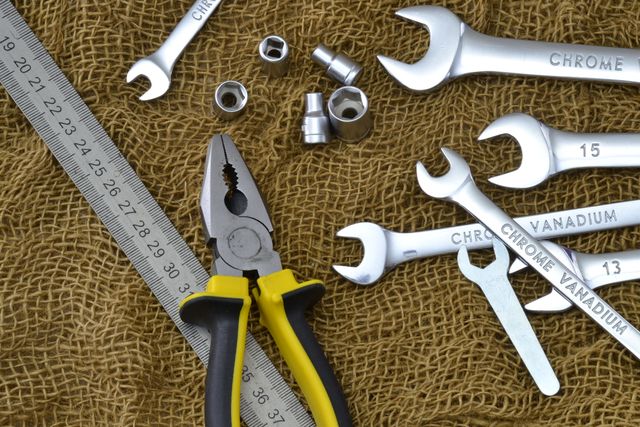
Hand tools form the foundation of any workshop. A good starter set might include a claw hammer, a set of screwdrivers in different sizes and types, adjustable spanners, pliers, a utility knife, a tape measure, a spirit level and a handsaw.
Clamps are often overlooked but incredibly useful for holding pieces together while glue dries or while cutting and drilling.
Invest in quality where you can. Well-made hand tools last for decades.
Power tools
A cordless drill is one of the most versatile power tools you can own, handling drilling and screwdriving tasks around the home. Choosing a single battery platform for multiple tools can save money and keep things simple.
Depending on your projects, you might add a jigsaw, circular saw, orbital sander or multi-tool. Buy tools as you need them rather than all at once.
Fasteners
Keep a variety of screws, nails, bolts, nuts and washers in different sizes. Organising them in labelled containers or drawers saves time when you need something specific.
Wall plugs and anchors are essential for hanging shelves, pictures and fixtures securely on plaster or masonry walls.
Adhesives
Adhesives are among the most useful supplies in any workshop, yet many people simply buy a single tube of all-purpose glue and hope for the best. Different jobs call for different adhesives.
Wood glue creates strong bonds for timber projects. Construction adhesive suits heavier jobs, such as fixing panels or skirting boards. Epoxy offers strong bonds for metal, ceramics and other materials. Contact adhesive is useful for laminates and some fabrics. Silicone sealants and caulks fill gaps and seal joints.
Check the product instructions for compatible materials, curing times and safety precautions.
Abrasives and finishing supplies
Sandpaper in a range of grits helps prepare surfaces and achieve smooth finishes. Sanding blocks make hand sanding easier and more even.
Keep paintbrushes, rollers, drop sheets, masking tape and fillers on hand for painting and touch-up jobs.
Measuring and marking
Accurate measuring prevents costly mistakes. In addition to a tape measure, consider a combination square, carpenter’s pencils, a marking knife and a stud finder.
Safety gear
Safety equipment should never be an afterthought. Safety glasses, hearing protection, dust masks or respirators and gloves protect against common workshop hazards.
A first aid kit and fire extinguisher are sensible additions to any workshop.
Storage and organisation
A well-organised workshop is safer and more efficient. Pegboards, wall-mounted racks, shelving and toolboxes keep tools visible and accessible.
Label drawers and containers so you can quickly find supplies. Regularly tidying the workspace prevents clutter from building up.
Lighting and power
Good lighting reduces mistakes and improves safety. Overhead lights combined with task lighting or portable work lights make detailed work easier.
Ensure there are enough power points for your tools, and use appropriate extension leads and power boards. Have electrical work completed by a licensed electrician.
Build as you go
You do not need to buy everything at once. Start with the essentials, then add tools and supplies as your skills and projects grow. Over time, your workshop will become a reflection of the work you love to do.
Workshop habits that save time
A few simple habits keep a workshop running smoothly. Put tools back in the same place after every job so they are always easy to find. Keep a running list of supplies that are getting low, such as sandpaper, screws or glue, and restock before you run out. Clean and oil tools regularly to prevent rust. Sweep up sawdust and offcuts at the end of each session to keep the space safe. These small routines take only a few minutes but make every future project faster and more enjoyable.
Ready for anything
A well-stocked home workshop saves trips to the hardware store, makes repairs easier and encourages creativity. With the right tools, supplies and organisation, you will be ready to tackle everything from quick fixes to ambitious weekend projects.