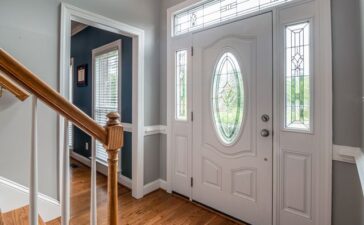

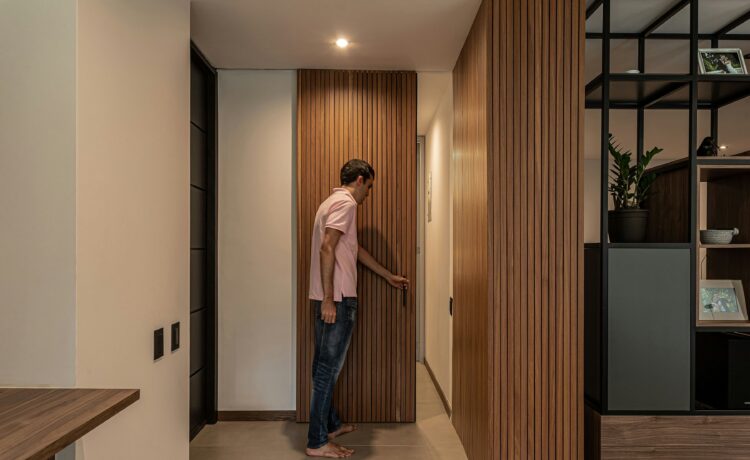
When it comes to designing spaces, the details often make all the difference. While colors and furniture tend to steal the spotlight, hardware choices quietly play a crucial role in shaping both functionality and aesthetics. The right door hardware can elevate an ordinary room into something extraordinary. Whether it’s a sleek handle that catches the eye or durable hinges that promise longevity, these elements deserve thoughtful consideration. Dive into how smarter hardware decisions can transform any space, enhancing not just its look but its overall experience too. Let’s explore what makes good hardware essential for great design!
Factors to consider when choosing hardware for a space
When selecting hardware for a space, functionality is key. Consider how often the door or cabinet will be used. Will it need to withstand heavy traffic?
Durability also plays a critical role. Choose materials that resist wear and tear, especially in high-use areas. Stainless steel and solid brass are excellent options.
Aesthetic appeal shouldn’t be overlooked either. The style of your hardware should complement the overall design theme—whether modern, rustic, or classic.
Don’t forget about compatibility with existing fixtures and finishes. Hardware that doesn’t match can disrupt the visual flow of a room. Choosing the right door hardware ensures seamless integration, combining style, functionality, and durability.
Budget matters too. High-quality pieces often come at a premium but investing wisely can elevate your entire space in both function and appearance.
Different types of hardware and their uses (ex: door handles, hinges, knobs)
When it comes to door hardware, the options are vast and varied. Door handles are often the first element that catches the eye. They come in a range of styles—from sleek modern designs to ornate vintage looks—enhancing both functionality and aesthetics.
Hinges play an equally crucial role. These unseen heroes ensure smooth operation, making it easy to open or close doors without noise or hassle. Choosing high-quality hinges not only boosts performance but also adds longevity.
Knobs might be small in size but pack a punch when it comes to design impact. Available in materials like glass, metal, and ceramic, knobs can act as statement pieces within a room.
Each type of hardware contributes uniquely to space design while serving practical purposes. Selecting the right combinations is essential for achieving harmony between style and function throughout your home or office.
The impact of hardware on the overall aesthetic and functionality of a space
The choice of hardware significantly shapes both the aesthetic appeal and functionality of a space. Small details like door handles or knobs can turn an ordinary room into something extraordinary.
Sleek, modern door hardware can enhance minimalistic designs, while ornate finishes may complement classic decor beautifully. Each piece adds a layer of personality to interior spaces.
Beyond looks, functionality is crucial. The right hinges ensure smooth operation and durability over time. Choosing robust materials means that your hardware not only looks good but also stands the test of daily use.
When thoughtfully selected, hardware creates a seamless flow throughout a space, tying different elements together cohesively. Whether it’s a stylish lever handle or an elegantly designed latch, these choices influence how we interact with our environment every day.
Tips for selecting hardware that fits your design style
Choosing the right door hardware can transform a space. Start by considering your overall design theme. Is it modern, rustic, or traditional? The hardware should complement this aesthetic.
Think about materials. Brass offers warmth and character, while stainless steel provides a sleek finish. Each material conveys a different vibe.
Next, pay attention to finishes. Matte black might suit an industrial look, whereas polished chrome could enhance a contemporary setting.
Don’t overlook scale and proportion either. A chunky handle may overpower delicate cabinetry; conversely, tiny knobs on large doors can feel lost.
Blend functionality with style. Choose pieces that work well but also reflect your taste—because even small details matter in creating cohesive spaces.
Case studies/examples of successful use of hardware in space design
One standout example comes from a boutique hotel in New York City. They opted for oversized door handles made of brushed brass, which beautifully complemented their industrial aesthetic. Guests often comment on how these hardware choices enhance their overall experience.
In another case, a modern office space utilized sleek, minimalist door knobs. These not only matched the contemporary decor but also promoted ease of access and flow throughout the workspace. Employees found that such thoughtful hardware contributed to an inviting atmosphere.
A residential project showcased custom-designed hinges that were both functional and artistic. Homeowners embraced this unique touch, turning simple doors into conversation starters while maintaining practicality.
These examples illustrate that when designers prioritize hardware selection, they elevate spaces beyond mere functionality to create memorable environments with lasting impressions.
Future trends and advancements in hardware for space design
As we look ahead, the future of hardware in space design is poised for exciting advancements. Technology continues to reshape how we think about door hardware and other essential components. Smart technology integration is at the forefront of this evolution. Imagine door handles that unlock with a simple touch or voice command, enhancing both convenience and security.
Sustainability will also play a significant role in future hardware choices. Manufacturers are increasingly focusing on eco-friendly materials and energy-efficient designs, allowing us to create beautiful spaces while being mindful of our environmental impact.
Customization options are likely to expand as well. With 3D printing technology becoming more accessible, designers can create unique pieces tailored specifically to match any aesthetic vision.
Expect an increase in multi-functional hardware solutions—pieces that serve various purposes without compromising style. Innovations like foldable hinges or integrated lighting within handles could redefine our approach to space efficiency.
The landscape of door hardware and related elements is changing rapidly. Embracing these trends ensures your designs remain not only stylish but also functional and forward-thinking.