
Allergies and indoor air pollution are major public health concerns right across Australia. Now that we spend around 90% of our time indoors, there’s a real issue with dust, pollen, pet dander, mould spores and fine particulate matter building up inside homes and causing problems with respiratory irritation, allergic rhinitis and asthma symptoms. The Australian Institute of Health and Welfare reckons around 19% of Aussies suffer from allergic rhinitis, so that’s a really big deal. One of the country’s most common chronic respiratory problems. As people become more aware of indoor air quality, it’s no surprise really that modern ducted air filtration systems have become a pretty key component of looking after our homes.
The Growing Burden of Allergies in Aussie Homes
Allergies are a huge problem for millions of Australians, and come with a big price tag for our healthcare system and for productivity. The Australian Institute of Health and Welfare found that about one in five of us suffers from hay fever or allergic rhinitis. House dust, pollen, fungal spores and airborne pollutants are some of the most common triggers, and some research shows that indoor allergens can hang around all year round, unlike those seasonal outdoor pollen events.
Dust mites are particularly tricky to deal with, because they live in bedding, carpets, upholstered furniture and all sorts of other soft furnishings. The National Asthma Council Australia reckons they’re a big problem because their allergens are around 5 to 40 microns in size, and they can become airborne when you’re doing everyday activities like vacuuming, dusting or making the bed. Even if you’ve got a really well-kept home, you might still be dealing with elevated allergen levels. That’s where good air filtration comes in.
How Can Ducted Air Filtration Systems Help with Indoor Air Quality?
Modern air filtration systems work by continuously circulating air through a filter that catches airborne particles before sending it back through the house. In a lot of Aussie homes, particularly those with ducted heating and cooling Frankston, the filtration system is actually built into the heating and cooling system. The whole house gets filtered, not just individual rooms.
Measuring Up Filtration’s Impact
To see whether a filtration system is any good, you need to look at how much it reduces airborne particle concentrations. Building tests have shown that in places with high-efficiency filtration systems, indoor PM2.5 levels were 58% lower compared to places without that kind of filtration.
Maintenance Challenges and Real World Performance Gaps
Modern ducted filtration systems can certainly show their stuff in the lab, but performance often falls apart when you put them in real-world situations. One of the biggest problems comes down to maintenance. The consequences of not doing it properly can be pretty severe. When dust builds up on filters it starts to cause problems. Air flow gets blocked and overall filter efficiency goes down the drain. Before you know it, airborne nasties are still floating around in the air you breathe and it’s only going to get worse.
Research and observational data make it clear that neglecting your filters can cost you in a couple of ways. Firstly, it’s just going to make your air less clean. Secondly, if your air flow drops off, your aircon is going to have to work a lot harder to keep the temperature where it needs to be. This means higher energy bills. For Aussie households who are already worried about keeping their energy costs in check, this is a major headache on top of having to breathe in all that gunk in the air.
The Real Story on Whole Home Filtration and Portable Air Purifiers
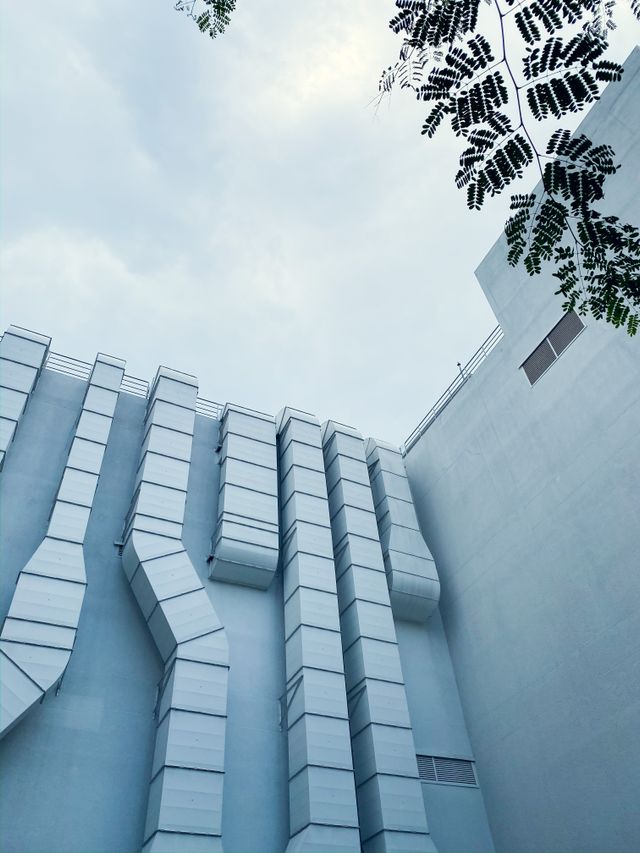
Portable air purifiers are often touted as a solution for allergies, but they only go so far. In reality, you’re only really getting clean air in one room at a time. Ducted systems, on the other hand, get clean air to every part of your house. That might not seem like a big deal unless you’re living in a bigger place where things can spread from room to room on their own.
What the studies show is that a centralised filtration system will keep your air cleaner for longer and cover more of your home than a single air purifier. Plus, centralised systems are good at dealing with the things that sneak into your home through return air. It’s a bit like a safety net for your breathing space. The quality of the system itself, the kind of filters you’ve got in there, and getting the air flow right are the big factors in whether it all works the way it says it will.