


When a Melbourne GP writes a referral to a hip surgeon Melbourne, they’re opening a door, not making the call on who’s best for the patient’s specific needs. That referral allows Medicare-funded specialist access. It also tells the system which surgeon to refer the patient to, often one the GP knows personally or whose rooms are just around the corner. What it doesn’t do is match the patient with the surgeon who has the specific skills, experience, and availability they need. Melbourne is home to a large number of orthopaedic surgeons with expertise in hip surgery. The differences between them are significant. Their training, the number of procedures they perform, the techniques they prefer, and the complexity of the cases they treat all vary. Treating every surgeon as though they offer the same level of expertise is a mistake.
Fellowship Training and Why Volume Matters
Becoming a hip surgeon in Melbourne follows a fairly standard path: a medical degree, surgical training, Fellowship of the Royal Australasian College of Surgeons, and then one or more years of fellowship training in hip surgery at a high-volume centre. A fellowship in hip surgery at a major hospital provides a level of expertise that is difficult to gain in a general orthopaedic practice. In those practices, hip procedures are only one part of a much broader workload. Training is only part of the picture. The number of operations a surgeon performs each year is equally important. A surgeon who performs 15 hip operations annually is in a very different position from one who performs 150. For a straightforward hip replacement, the difference may not always be obvious. It becomes much more important for complex revision surgery or procedures to repair injuries. Research consistently shows that high-volume specialist surgeons achieve better outcomes in these more complex cases.
Public vs Private in Melbourne
Melbourne’s public hospital orthopaedic units, including the Royal Melbourne, St Vincent’s, and Austin Health, are excellent places to be treated by surgeons who are also involved in training the next generation of specialists. The trade-off is the waiting time. Non-urgent appointments can involve waiting several months, and sometimes more than a year. Private hospitals offer shorter waiting times and much greater choice over who performs the surgery. Patients can select their surgeon instead of seeing whoever is next on the list. It is important to understand exactly what your private health insurance covers before booking the first consultation. Doing so helps avoid unexpected out-of-pocket costs later.
What a First Consultation Should Cover?
A worthwhile first surgical consultation involves much more than a surgeon glancing at an X-ray and recommending surgery. It should include a detailed review of your existing imaging, a thorough clinical examination, and a proper discussion about whether surgery is actually the right option. The consultation should also explain what current evidence says about the available treatment options. Patients should leave with realistic expectations about the benefits of surgery. They should also receive a clear explanation of the potential risks and what recovery is likely to involve.
The Follow-Up Commitment Patients Underestimate
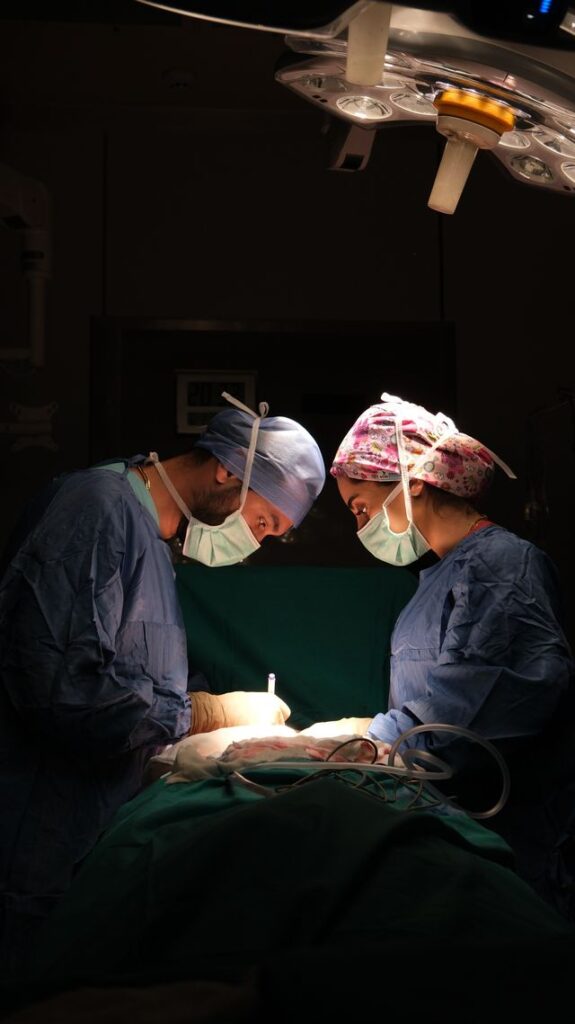
Surgical procedures, whether a total hip replacement, hip resurfacing, or labral repair, are only the beginning of the treatment process. Post-surgical recovery is where long-term outcomes are often determined. Patients who understand what to expect before surgery usually cope better during recovery. They know how long they are likely to be off their feet, what activities they should avoid during the early stages, what physiotherapy will involve, and what long-term limitations they may face. Patients who have this information beforehand often find the recovery process easier than those trying to work it out after returning home.