
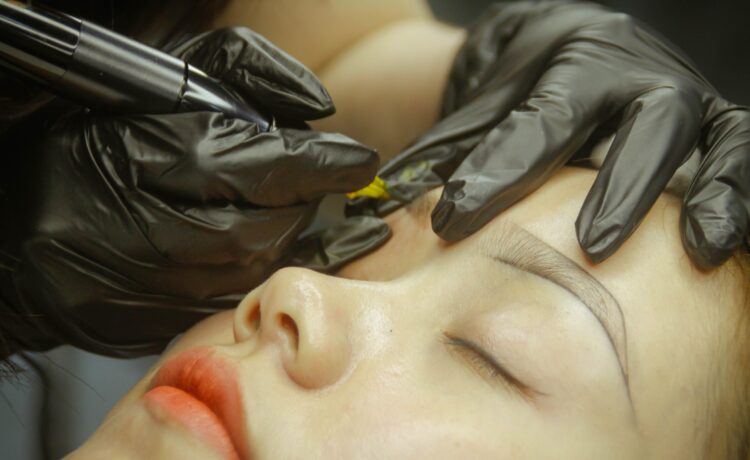
Before removing an old eyebrow tattoo, it is important to understand the original procedure, the type of pigment used, and how the tattoo has changed over time. Eyebrow tattoos and permanent makeup can gradually fade, change color, or become uneven due to natural skin renewal and pigment breakdown. Some older tattoos may develop reddish, greyish, bluish, or orange undertones, making removal more complicated than expected. The depth of the pigment, the amount of ink present, and the number of previous touch-up sessions can all influence the removal process. A professional assessment helps determine the condition of the tattoo and identify the most appropriate removal approach.
Choosing the Right Tattoo Removal Technology
Modern laser technology is commonly used to remove unwanted eyebrow tattoos by targeting pigment particles beneath the skin. Different laser systems operate at specific wavelengths, making them suitable for particular pigment colours and skin characteristics. Q-switched and picosecond lasers are among the technologies used in professional eyebrow tattoo removal, with their suitability depending on the ink composition and individual skin condition. However, not every laser is appropriate for every eyebrow tattoo, and some cosmetic pigments may react unpredictably when exposed to laser energy. Certain pigments can temporarily darken or change colour, which makes identifying the ink composition and conducting an appropriate professional assessment especially important before treatment.
The choice of laser technology should be based on the tattoo’s pigment composition rather than simply the latest equipment available at a clinic. Different wavelengths interact with different pigment colors, and some cosmetic inks contain iron oxides, titanium dioxide, or other compounds that may respond unexpectedly to laser exposure. In such cases, a test spot may be recommended by an experienced practitioner to observe how the pigment reacts before proceeding with a complete treatment. This assessment can help identify possible color changes and guide decisions about the safest removal approach.
It is also important to understand that laser treatment aims to break down pigment particles so the body’s natural processes can gradually eliminate them. The results may vary depending on the pigment’s chemical composition, depth, and density.
Evaluating Skin Type and Potential Side Effects
Individual skin characteristics play an important role in determining the safety and effectiveness of eyebrow tattoo removal. Skin tone, sensitivity, previous scarring, pigmentation concerns, and existing skin conditions should all be considered before selecting a treatment method. Although modern laser systems are designed to target tattoo pigments selectively, potential side effects may include temporary redness, swelling, blistering, irritation, pigmentation changes, and, in some cases, scarring. The delicate skin around the eyebrows requires particular attention because of its proximity to the eyes. Treatment should only be performed by a qualified and experienced professional using appropriate protective eyewear and safety procedures designed specifically for the treatment area.
Skin type is particularly important because different skin tones may have varying responses to laser energy. Individuals with darker skin tones can have a higher risk of developing temporary or persistent pigmentation changes if the treatment is not appropriately selected and performed. A qualified dermatologist or experienced medical professional should evaluate the skin before recommending a suitable laser system and treatment settings. Previous cosmetic procedures, active skin irritation, infections, and a history of abnormal scarring should also be discussed during the consultation.
Before treatment, individuals should provide complete information about their medical history, previous eyebrow tattoo procedures, allergies, and any products or medications that may affect skin sensitivity or healing. The practitioner should explain the expected recovery process and identify signs of complications that require medical attention. Avoiding aggressive treatments, unnecessary skin irritation, and direct sun exposure around the treatment period can also help support healthier skin recovery.
Considering the Number of Sessions and Recovery Time
Removing an old eyebrow tattoo is generally a gradual process rather than a single-session procedure. The number of sessions required depends on factors such as pigment depth, ink color, tattoo age, pigment density, and the individual’s skin response. Some tattoos may fade considerably after a few treatments, while others require additional sessions to achieve the desired improvement. Sufficient recovery time between appointments is essential because the skin needs time to heal and the body’s natural processes help remove fragmented pigment particles. Following professional aftercare instructions, avoiding unnecessary sun exposure, and keeping the treated area clean can support recovery and reduce the likelihood of complications.
The time between sessions should be determined by the treating professional according to the individual’s healing progress and the type of laser used. Scheduling treatments too frequently may increase irritation and interfere with the skin’s natural recovery process. It is generally important to allow the treated area to heal completely before undergoing another session. During this period, temporary redness, mild swelling, and sensitivity may occur, although the intensity and duration of these effects differ between individuals.
Aftercare is another essential part of the removal process. Individuals should avoid scratching, picking, or rubbing the treated area, particularly if small scabs or blisters develop. Gentle cleansing and the use of recommended skincare products can help protect the skin during recovery. Direct sunlight, tanning, harsh exfoliating products, and unnecessary cosmetic procedures around the treated area should be avoided according to professional guidance. Maintaining realistic expectations is equally important because pigment fading can continue gradually between appointments.
Protecting the Eyes and Surrounding Skin
Eye safety is one of the most important considerations when removing eyebrow tattoos with laser technology. Since the treatment area is close to the eyes, specialized protective measures are necessary to prevent accidental exposure to laser energy. Standard protective glasses may not always provide sufficient protection for procedures performed close to the eyelids, so appropriately selected eye protection and, where clinically necessary, specialist ocular shields should be used by trained professionals. Individuals should also ensure that the practitioner has experience with eyebrow tattoo removal rather than relying solely on general laser treatment experience. Careful positioning, appropriate equipment, and established safety protocols are essential throughout the procedure.
The eyes and surrounding tissues are particularly sensitive to laser exposure, making professional training and proper equipment essential. The practitioner should understand the specific safety requirements of the laser system being used and follow established protocols for procedures performed near the orbital area. Protective measures should be selected according to the wavelength and treatment method rather than relying on ordinary protective eyewear. If appropriate eye protection cannot be provided, the procedure should not proceed.
Individuals should also pay attention to the clinic’s hygiene standards, treatment environment, and overall safety practices. A professional consultation should include an explanation of the procedure, the protective equipment being used, and any potential risks associated with treating such a delicate area. Clear communication between the practitioner and the client helps ensure that safety remains a priority throughout the treatment and recovery process.
Choosing a Qualified Tattoo Removal Specialist
Selecting an experienced and qualified professional can significantly influence the safety and overall experience of eyebrow tattoo removal. Before booking an appointment, individuals should review the practitioner’s qualifications, experience with cosmetic tattoo pigments, available laser technologies, and previous treatment results. A reputable clinic should provide a detailed consultation, explain possible outcomes, discuss potential complications, and establish realistic expectations. It is also important to ask whether the clinic has experience treating different pigment colors and managing unexpected pigment reactions. Avoid choosing a provider based exclusively on low prices or promises of complete removal in a limited number of sessions.
An experienced specialist should be able to assess the original eyebrow shape, pigment distribution, skin condition, and any previous removal attempts before recommending a treatment plan. They should also explain why a particular laser wavelength or alternative removal method may be appropriate. Reviewing genuine before-and-after photographs of similar eyebrow tattoo removal cases can provide a better understanding of the clinic’s experience, although individual results will always vary. Clients should feel comfortable asking questions about the equipment, treatment process, expected recovery, and possible complications.
Aftercare guidance and ongoing professional support are also important when choosing a clinic. A reliable provider should explain how to care for the treated skin, what temporary reactions may occur, and when a follow-up assessment is required. The availability of appropriate medical support in the event of an unexpected reaction is another factor worth considering. Choosing a specialist who prioritizes patient safety, honest communication, and individualized treatment planning can make the overall experience more reassuring.