

Modern construction projects require electrical systems that are safe, reliable, and capable of supporting the growing demands of residential, commercial, and industrial properties. Electrical switchboards play a central role in distributing power throughout a building while providing essential protection for different circuits and connected equipment. For builders and electrical contractors, selecting suitable switchboard solutions is an important part of delivering efficient installations that meet project specifications and safety requirements. From new developments to major renovations, modern switchboards offer practical features that support organised electrical distribution, simplified maintenance, and future system expansion.
Understanding the Importance of Modern Electrical Switchboards
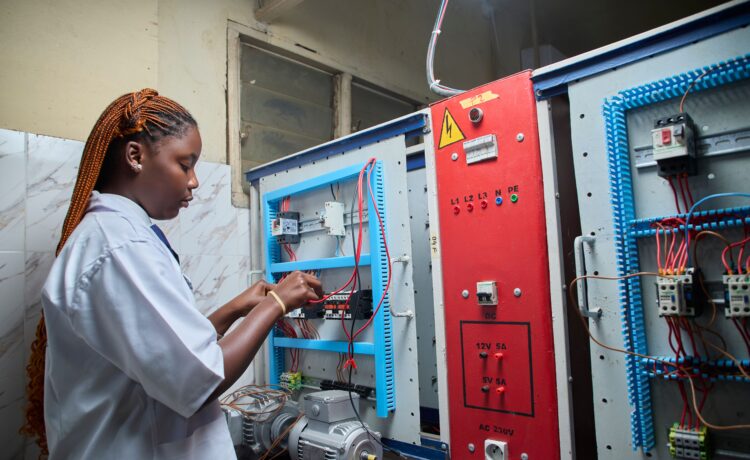
An electrical switchboard is a central distribution point that manages the supply of electricity to different circuits within a building. It contains components such as circuit breakers, protective devices, busbars, and other electrical accessories that help control and distribute power safely. A properly designed switchboard allows electrical loads to be organised according to the requirements of the property, making it easier to manage different systems and identify potential faults. For builders and electrical contractors, choosing the right electrical switchboards manufacturer Australia is essential for ensuring that the completed installation performs reliably and meets the intended electrical demands.
Modern buildings often require more complex electrical arrangements than older properties due to the increasing use of appliances, heating and cooling systems, communication equipment, security technology, and automated controls. A traditional switchboard may not provide sufficient capacity or flexibility for these requirements. Modern switchboard solutions are designed to accommodate different circuit arrangements and protective devices while allowing easier access for inspection and maintenance. Selecting appropriate equipment during the construction planning stage can help avoid costly modifications later and provide a more dependable electrical foundation for the building.
Another important benefit of modern switchboards is improved organisation within the electrical distribution system. Separating lighting, general power, specialised equipment, and other electrical loads into suitable circuits makes the installation easier to understand and maintain. Clear circuit identification also helps electricians locate specific connections when carrying out repairs, upgrades, or routine inspections.
Selecting Suitable Switchboard Designs for Different Projects
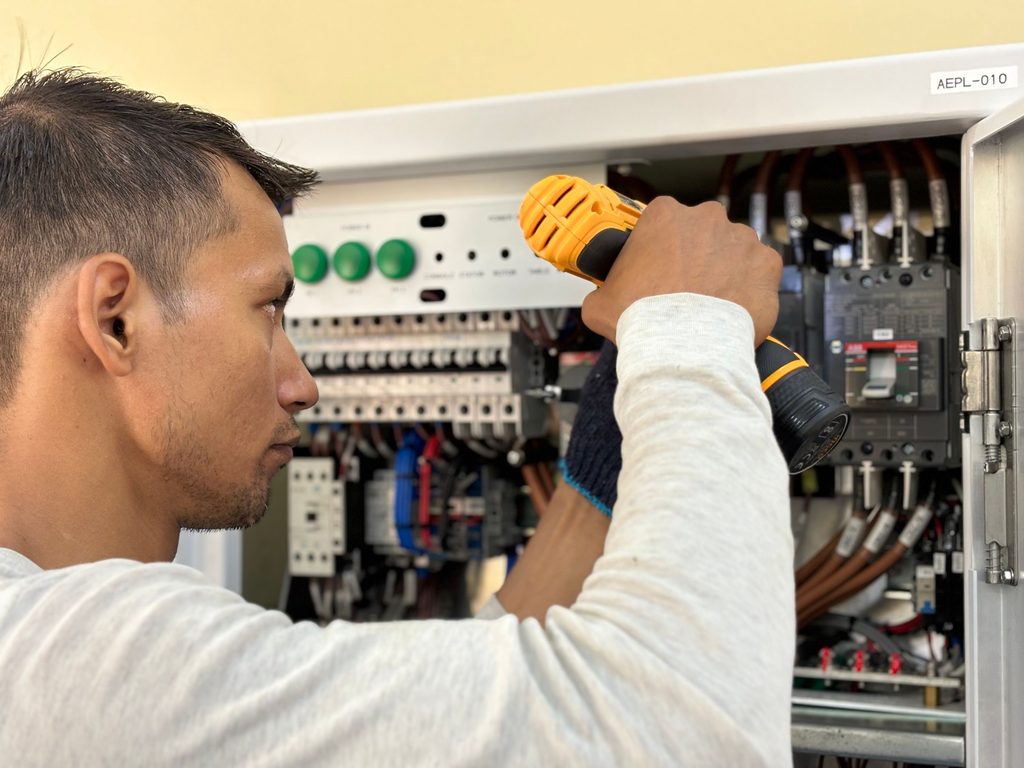
Every construction project has unique electrical requirements, making careful switchboard selection an important part of the design process. Residential developments may require compact distribution boards that support household lighting, power outlets, kitchen appliances, and heating systems. Commercial buildings often need more extensive arrangements to manage office equipment, lighting networks, air conditioning, and specialised electrical installations. Industrial environments may require switchboards designed for higher electrical loads, demanding operating conditions, and more complex equipment connections. Understanding the purpose and expected use of the building helps contractors select an appropriate solution.
Switchboard capacity and enclosure design should be considered alongside the number of circuits and connected electrical loads. Contractors need to assess current requirements while allowing for reasonable future expansion where the project specifications permit. Choosing an enclosure with suitable space for protective devices, wiring connections, and additional circuits can make future modifications easier. However, the final design must be based on proper electrical calculations, equipment ratings, and applicable standards. A switchboard should never be selected solely because it appears large enough or offers additional unused space, as electrical compatibility and correct configuration remain essential.
The physical environment in which a switchboard will operate is another important consideration. Indoor installations, outdoor locations, plant rooms, and industrial areas may have different requirements relating to moisture, dust, temperature, and physical protection. The enclosure should provide an appropriate level of protection for its intended environment while allowing safe access for authorised personnel. Builders and contractors should discuss these requirements early in the project to avoid selecting equipment that is unsuitable for the installation location. Careful consideration of environmental conditions helps support long-term reliability and reduces the possibility of premature equipment deterioration.
Improving Electrical Safety Through Advanced Protection Features
Electrical safety is one of the most important considerations when specifying switchboard solutions for construction projects. Modern switchboards can accommodate protective equipment such as miniature circuit breakers, residual current devices, and other suitable protection systems. These devices perform different functions, including interrupting excessive current and detecting certain electrical leakage conditions. Selecting the correct combination helps protect circuits, equipment, and building occupants from specific electrical hazards. Builders and contractors should ensure that protective devices are suitable for the electrical design and comply with the relevant regulations and project requirements.
The quality of internal components and the overall switchboard assembly also influences installation safety. Busbars, terminals, connections, enclosures, and protective devices must be compatible and correctly rated for their intended application. Poor-quality or unsuitable components can increase the likelihood of overheating, connection failures, and electrical faults. Contractors should therefore source equipment from reputable manufacturers and verify that products meet applicable safety and performance standards. Correct assembly, installation, testing, and inspection are equally important for ensuring that the completed switchboard operates as intended.
Clear labelling and accessibility further improve the practical safety of electrical installations. Every circuit should be identified accurately so that electricians and maintenance personnel can understand the distribution arrangement without unnecessary confusion. Switchboards should also be positioned in suitable locations that provide safe access for authorised workers and allow maintenance activities to be completed efficiently. During installation, contractors should ensure that appropriate clearances and working space are maintained in accordance with applicable requirements. These details help create an electrical distribution system that is easier to inspect, operate, and maintain throughout the building’s lifespan.
Supporting Construction Efficiency and Future Electrical Requirements
Efficient project delivery depends on selecting electrical equipment that matches construction schedules, design specifications, and installation requirements. Switchboard selection should therefore begin during the early planning stages rather than being left until the electrical installation is ready to commence. Builders and contractors can work with electrical designers and suppliers to confirm the required capacity, enclosure dimensions, circuit arrangements, and protective components before ordering equipment. Early coordination helps reduce delays caused by incorrect specifications, missing components, or last-minute design changes.
Modern buildings are also becoming more dependent on technologies that require flexible electrical infrastructure. Smart lighting, automated building controls, security systems, electric vehicle charging stations, and renewable energy installations may all influence future switchboard requirements. Planning for these technologies can help contractors provide installations that remain adaptable as building needs change. This does not mean every project requires extensive additional equipment, but considering possible future upgrades can help determine whether additional capacity, suitable protection, or dedicated circuits should be included in the original design.
Coordination between different construction trades is equally important when installing switchboards. Electrical contractors need to work with builders, mechanical contractors, plumbers, and other specialists to confirm equipment locations, cable routes, access arrangements, and installation sequences. This is particularly important in larger developments where multiple services may compete for limited space. Proper coordination helps prevent clashes between electrical equipment and other building systems, reducing rework and supporting smoother project completion. Accurate drawings and regular communication can make a significant difference to the efficiency of the installation process.
Choosing Reliable Switchboard Suppliers and Professional Installation Services
Working with a reliable electrical supplier is essential for builders and contractors who need consistent access to quality switchboard equipment. A reputable supplier should offer products from recognised manufacturers, provide accurate technical information, and help customers identify equipment suitable for specific applications. Availability, delivery arrangements, product warranties, and after-sales support are also important factors when sourcing electrical materials. Contractors managing multiple projects may benefit from establishing relationships with suppliers who can provide dependable service and maintain access to commonly required components.
Professional installation and commissioning are necessary to ensure that switchboard systems perform safely and reliably. Qualified electrical professionals should follow the approved design, verify component ratings, complete the required connections, and carry out appropriate testing before the system is placed into service. Testing may include checks of protective devices, circuit continuity, insulation resistance, and other relevant electrical characteristics, depending on the installation and applicable requirements. Any identified issues should be resolved before handover to help ensure that the system meets the required standards.