

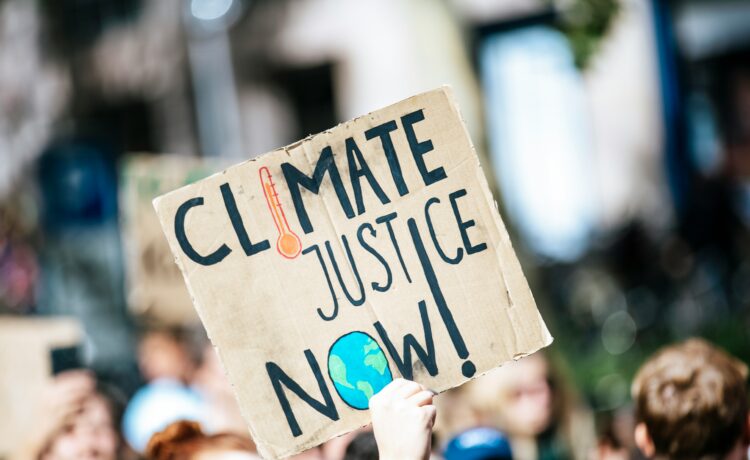
Climate change is no longer a distant threat. It’s here, and its impacts are being felt across the globe. From extreme weather events to rising sea levels, the signs are all around us. Communities face unprecedented challenges as they adapt to changing conditions.
But amidst this rising tide of concern lies an opportunity: the chance to forge a sustainable future through effective climate strategies. As awareness grows, so does our responsibility—not just as individuals but also as businesses and governments—to take action now.
Understanding why having a robust climate strategy matters more than ever can empower us to drive meaningful change in our lives and communities. Let’s explore how we can make a difference together.
The importance of having a climate strategy
A well-defined climate strategy is crucial for navigating today’s environmental challenges. It provides a roadmap that guides decisions, ensuring sustainability at the forefront.
Without such a strategy, businesses risk falling behind. Stakeholders expect accountability and transparency related to environmental impacts. Those who adapt can enhance their reputation and customer loyalty.
Moreover, having a robust climate plan helps mitigate risks associated with climate change—be it supply chain disruptions or regulatory compliance issues. Organizations that act proactively are better equipped to handle uncertainties in this rapidly evolving landscape.
Additionally, integrating a expert climate consultancy for carbon management and sustainability strategy into core operations fosters innovation. Companies discover new ways to reduce waste and energy consumption while simultaneously uncovering cost savings.
Embracing a comprehensive approach empowers organizations not just to survive but thrive amid pressing global changes.
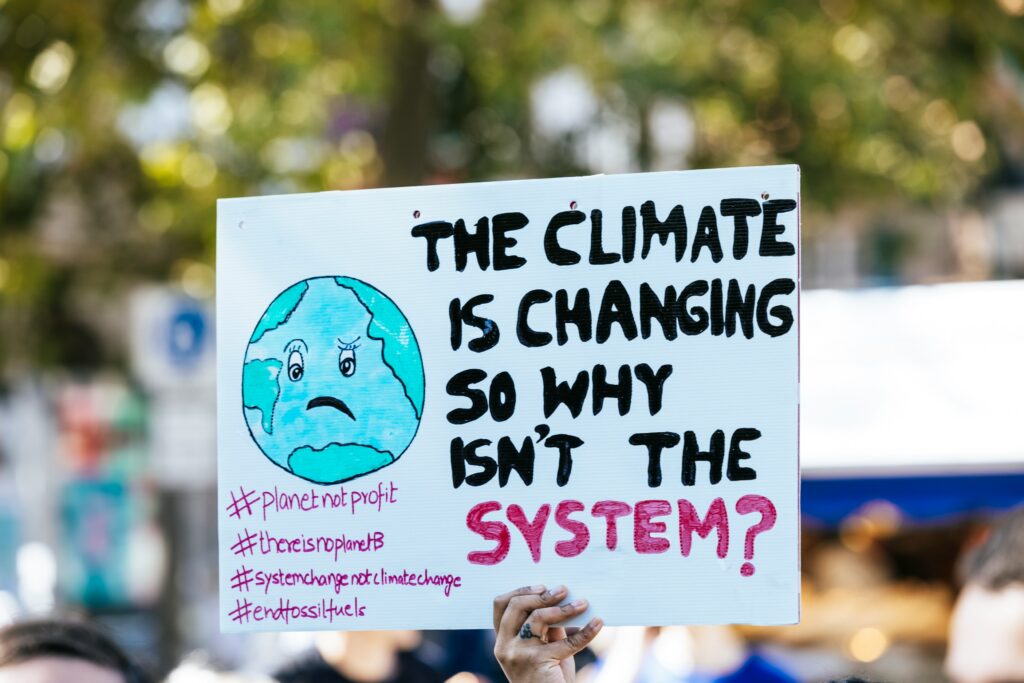
How businesses and organizations can implement a climate strategy
Implementing a climate strategy requires a multifaceted approach. Businesses can start by assessing their carbon footprint. This helps identify key areas where they can reduce emissions.
Next, setting clear goals is essential. Whether it’s achieving net-zero by 2030 or reducing waste, having targets keeps everyone focused and accountable.
Engaging employees in sustainability initiatives creates unity around the mission. Workshops and training sessions can empower staff to adopt eco-friendly practices at work and home.
Additionally, investing in renewable energy sources shows commitment to change. Solar panels or wind energy not only lower emissions but can also save money over time.
Collaborating with stakeholders enhances efforts. Partnerships with suppliers who prioritize sustainability amplify impact across the supply chain while demonstrating leadership in climate action.
The role of individuals in combating climate change
Individuals play a crucial role in the fight against climate change. Every small action counts, and collective efforts can lead to significant change.
Reducing energy consumption at home is one effective way to make an impact. Simple habits like turning off lights or using energy-efficient appliances contribute to lower carbon footprints.
Transportation choices also matter. Opting for public transit, biking, or walking instead of driving reduces greenhouse gas emissions while promoting healthier lifestyles.
Consumption patterns are equally important. Supporting sustainable brands and minimizing single-use plastics help influence market trends towards eco-friendlier options.
Educating oneself and others raises awareness about environmental issues too. Sharing knowledge can inspire communities to take action together, fostering a culture of sustainability.
Advocating for policies that prioritize environmental protection amplifies individual voices at larger scales. Engaging with local representatives encourages meaningful changes that support long-term solutions for our planet’s future.
Government initiatives and policies for addressing climate change
Government initiatives and policies play a pivotal role in addressing climate change. Many countries have recognized the urgency of the situation and are implementing measures to reduce greenhouse gas emissions. International agreements, such as the Paris Agreement, aim to unite nations toward common climate goals.
At a national level, governments are introducing regulations that promote renewable energy sources like solar and wind power. These not only help lower carbon footprints but also create new job opportunities in green sectors. Incentives for businesses to adopt sustainable practices can lead to significant reductions in waste and resource consumption.
Local governments are not lagging behind either. Cities across the globe are investing in public transportation systems, promoting electric vehicles, and creating more green spaces. Urban planning is increasingly focused on sustainability, helping communities adapt while minimizing their impact on the environment.
However, government action alone isn’t sufficient; it must be coupled with engagement from citizens and organizations alike. As awareness grows about climate issues, public pressure can drive policymakers to take more ambitious steps toward sustainability.
As we move forward, it’s clear that collaborative efforts among individuals, businesses, NGOs, and governments will determine our collective success against this pressing challenge.