

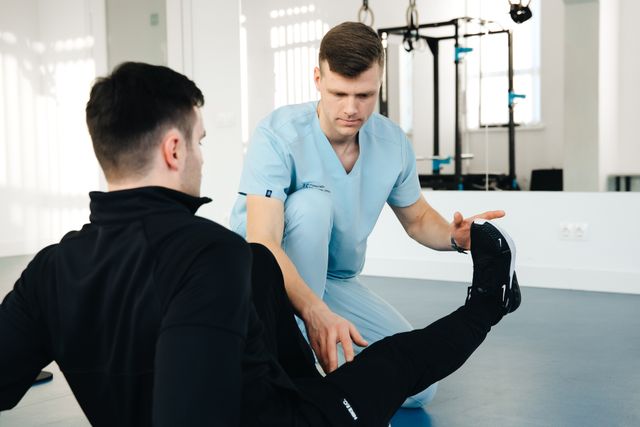
Getting to a physiotherapy clinic sounds simple enough until transport dependency, post-surgical fatigue, or persistent joint pain turns that 20-minute trip into something genuinely unmanageable. For older adults living independently in Heidelberg and the surrounding inner-north, the combination of these factors means that clinic attendance is not inconvenient but unreliable, and unreliable attendance is the thing that breaks physiotherapy rehabilitation. Skipped sessions interrupt the cumulative progress that treatment depends on, and ground lost to missed appointments takes additional sessions to recover.
In-home physiotherapy Heidelberg removes the transport variable entirely. The clinician arrives at the door with a portable treatment table and a program designed around the patient’s actual environment. That shift in delivery model changes more than just convenience.
What a Home Visit Allows the Physiotherapist to See?
A clinic assessment is useful. A home assessment is revealing. A physiotherapist who observes a patient in the environment where they actually live can see the bathroom layout that places them at risk, the chair they rise from repeatedly through the day, the floor transition between the kitchen and living area, and the front door step that has been managed carefully for months without being formally addressed. Each of these details produces practical recommendations that clinic-based assessment simply cannot generate, because the exercises and environmental strategies are built around what actually exists in the home rather than around a generic rehabilitation space.
Falls prevention planning is where this distinction matters most. Targeted physiotherapy for falls risk, delivered in the home environment, allows a clinician to identify specific hazards and design an exercise program around the precise balance and strength deficits that a patient’s environment exposes. According to the Australian Institute of Health and Welfare, falls were the leading cause of injury hospitalisations in Australia in 2024-25, accounting for 253,800 hospitalisations and 43.4 per cent of all injury hospitalisations. People aged 65 and over were hospitalised for falls 12 times more often than adults aged 25 to 44. These are the patients for whom in-home falls prevention is not a convenience; it is the appropriate clinical model.
The Conditions Most Commonly Treated at Home in Heidelberg
Degenerative back pain and joint pain, issues with balance from vestibular dysfunction, and rehab following a joint replacement; these are the main reasons many Heidelberg seniors find themselves needing ongoing physio treatment. General deconditioning when someone gets ill or is inactive for a while and ends up losing strength and cardiovascular fitness usually does well with graded exercise plans that build up gradually and can be tweaked by a physio who can actually see the person’s space in real life.
And just as important, although not always as obvious, are pressure care management and oedema management for people who are stuck in one place. If these things aren’t kept an eye on then they can creep up on you, leading to complications down the line that are a lot harder and more expensive to sort out than the original problem.

Understanding the Funding Pathways
There are several funding avenues through which eligible patients can receive physiotherapy in the home setting, and each has its own criteria for eligibility and referral. The Support at Home initiative by the Australian Government as a replacement for the Home Care Packages starting November 2025 categorises physiotherapy as one of the clinical supports provided, and, as per the Department of Health and Aged Care, there is no contribution for clinical supports as per Support at Home from the participants. The criteria for Support at Home include an assessment process by My Aged Care. There are different criteria for eligibility and approval processes for DVA and NDIS compared to those of Support at Home and among themselves. In the case of private funding for physiotherapy, there is no requirement for a GP referral, whereas in the case of Medicare Allied Health Services there is a GP management and referral process.